

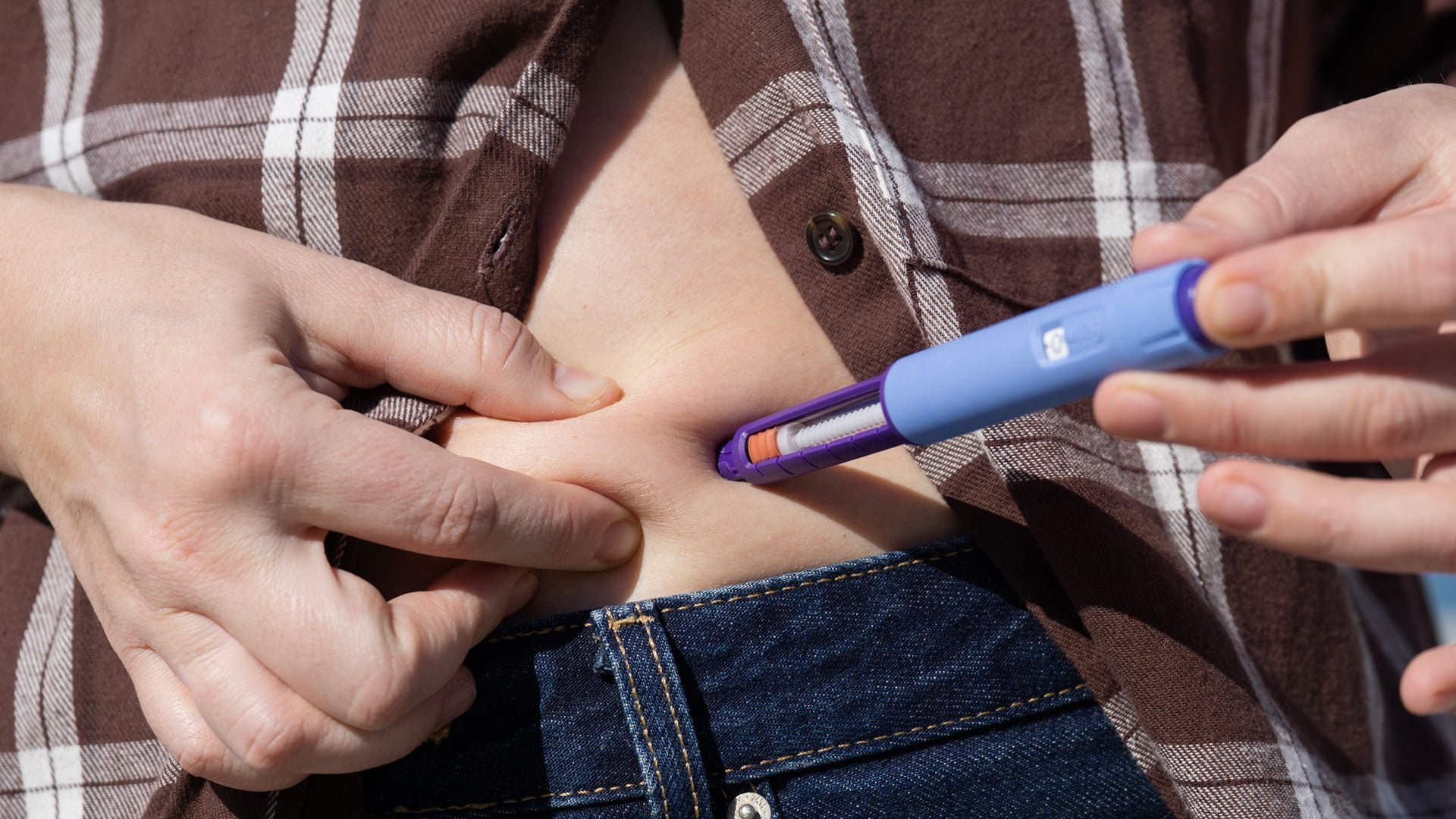
I’ve received a lot of calls about weight-loss drugs in the past, asking whether Medicare covers Ozempic or other GLP-1s. I’ve always had to say no, unless you have a condition that qualifies for coverage, such as diabetes.
But that’s about to change. Starting July 1, 2026, some people on Medicare will be able to get certain weight-loss drugs, including Wegovy and Zepbound, for a flat $50 monthly copay. It’s a temporary U.S. government program called the Medicare GLP-1 Bridge, and it runs through December 31, 2027.
This is particularly good news for Californians. In California, Medi-Cal Rx stopped covering GLP-1s for weight loss only in January 2026, for most people. Previously, it had covered a wide range of medications, including Ozempic, Mounjaro, Zepbound, and others. Some Medi-Cal Rx beneficiaries could still qualify, such as those under age 21.
However, not everyone qualifies for the new Medicare GLP-1 Bridge program, either. In addition, the $50 comes with some catches: it doesn’t cover all medication types, and the program has a built-in expiration date. Here’s how to tell whether it’s for you, and what to do about it.
Why This GLP-1 Program Exists
In the past, by law, Medicare drug plans weren’t allowed to cover medications prescribed purely for weight loss. That’s why these drugs have been out of reach or wildly expensive for many older Americans, even as they’ve become some of the most talked-about medicines in the world.
My clients who didn’t qualify for Medicare-covered weight-loss medication either needed to work with compounding pharmacies or pay out of pocket—because Medicare recipients don’t qualify for manufacturers’ coupons.
Overall, I think the medication works, particularly for obese people who qualify and struggle with diet or exercise. In my opinion, it can keep people out of the hospital for cardiac problems and diabetes. The weight can pour off you, and people become half the person they were.
The Bridge is the government’s temporary workaround. CMS (the agency that runs Medicare) set it up as a “demonstration” or a kind of pilot program. The program gives eligible Medicare recipients early, affordable access to the medication while a larger, longer-term plan is developed.
The drug buys time for Medicare to conduct studies on the impact of these drugs, and by the time the program is up (in 2028), they’ll have a year and a half’s worth of data in an election year.
Which GLP-1 drugs Are Covered (and Which Aren’t)
GLP-1 drugs are defined as products with the following active ingredients: Semaglutide, Tirzepatide, Orforglipron, Dulaglutide, and Liraglutide. As of now, the Bridge covers three products when they’re prescribed for weight management:
- Wegovy injection and tablets
- Foundayo tablets
- Zepbound — only the KwikPen version, not single-dose vials and single-dose pens
Several big names are not on the list, including Ozempic, but Semaglutide is the same active ingredient in Wegovy. Mounjaro isn’t covered either, but also shares the active ingredient Tirzepatide with Zepbound, which is covered.
Once your request is approved, that approval lasts the entire program. You don’t need a new one for refills. The exception is if you switch from one covered drug to another, which requires a fresh approval.
You also can’t use this program for compounded (custom-mixed) GLP1s, and other brands not on the list are not covered.
3 Tests to Qualify for GLP1s on Medicare
To use the Bridge, you have to clear all three.
Test 1: You’re in the right kind of plan
You need to be enrolled in a Medicare Part D drug plan, also called a PDP. Specifically, that means:
- A standalone Part D plan
- A Medicare Advantage plan that includes drug coverage (most HMOs and PPOs)
- Some Special Needs Plans (SNP), employer or union retiree plans, Medi-Medi or Dual needs plans
Most Part D plans meet those requirements. A few plan types are shut out unless the person also carries a standalone drug plan. These include private fee-for-service plans, certain cost plans, and PACE.
Test 2: The GLP-1 is prescribed for only weight loss or weight management
If you have one of those diagnoses, your drugs go through your normal Medicare plan as you’re considered already eligible for coverage:
- Type 2 diabetes
- Moderate-to-severe sleep apnea
- Fatty liver disease
- High cardiovascular risk
The Bridge is only for people who can’t get these drugs covered any other way through Medicare.
Test 3: You meet the clinical criteria
A doctor has to confirm you’re 18 or older and fit one of these three tiers, based on your weight at the time you first started the drug:
- BMI of 35 or higher: No other condition needed; or
- BMI of 30 or higher: Plus heart failure with preserved ejection fraction, uncontrolled high blood pressure, or chronic kidney disease (stage 3a or worse); or
- BMI of 27 or higher: Plus pre-diabetes, a past heart attack, a past stroke, or symptomatic peripheral artery disease.
One important note: It’s your BMI when you started the medication that counts, not your BMI today, and even if you weren’t yet on Medicare.
So those who take GLP-1s after losing weight—to maintain the weight already lost—could also qualify. People who started one of these drugs before they were on Medicare can still count that starting point.
What a Month of GLP-1 Medication Costs
The headline number is simple: $50 for a one-month supply, and it stays $50 no matter what.
But because the Bridge sits outside your regular drug coverage, three things work differently than people expect:
- Your deductible or your yearly out-of-pocket cap: Normally, what you spend on drugs counts toward the cap that protects you later in the year. The $50 doesn’t count toward this deductible and $2,000 out-of-pocket cap.
- “Extra Help” doesn’t apply: This low-income subsidy normally lowers your drug costs, but it won’t lower this $50 co-pay. Everyone pays the same price. This means, for some lower-income beneficiaries, $50 a month may simply be too much.
- No manufacturer coupons and savings cards: If you were using a drugmaker’s discount card for your GLP-1 before joining Medicare, you can’t stack it on top of the Bridge. But these do not work for Medicare plans in any case.
Step by step: How to Get Your GLP-1
Here’s the path:
- Confirm your plan type (Test 1 above) and check that none of the Part D-covered diagnoses apply to you (Test 2).
- Talk to your doctor. The doctor must be the one who starts the process.
- Your doctor submits a prior authorization: a request sent electronically or by fax on or after July 1, 2026. You can see the exact form your doctor will fill in and submit on the CMS site.
- The pharmacy routes your claim to a central processor that CMS has set up to run the program, not to your own drug plan.
- You pay $50 at the pharmacy.
Because the claim goes to a central processor rather than your regular plan, there may be some confusion at pharmacy counters in the early weeks. If a pharmacy seems unsure, that doesn’t necessarily mean you don’t qualify.
Watch Out for GLP-1 Scams
A brand-new “Medicare drug program” with a catchy name is exactly the kind of thing scammers love. And because there’s no enrollment step and no sign-up fee, the warning signs are clear:
- Anyone who calls, texts, or mails you offering to “enroll you in the GLP-1 program” is not legitimate.
- There is no fee to access the Bridge, and no “registration.”
- Never give your Medicare number, bank information, or personal details to someone who contacted you out of the blue.
- Watch out for offers to cover drugs that are not covered by this program — Ozempic is not covered, for example.
- Watch out for GLP-1 scams in general, as the Better Business Bureau warns, including unusually low prices or no prescription required.
If in doubt, hang up and call Medicare directly at 1-800-MEDICARE (1-800-633-4227).
What Happens After 2027?
The program is called a “Bridge” for a reason — it’s meant to carry people over until a larger, permanent approach (a CMS effort called the BALANCE Model) starts in 2028. CMS officials have said only that they understand there’s a lot of interest and will share more information when they can.
But what happens when the Bridge ends on December 31, 2027, has not been spelled out, even as Medicare insurance companies are likely to inherit millions of people taking GLP-1s.
The prices of covering these medications could easily reach into the trillions of dollars. There’s a big gap between the cost of manufacturing medications and the cost U.S. consumers pay; European consumers pay far less.
So a few things could happen, although no one has a crystal ball:
- The program continues exactly as it does now.
- The program continues as it does now, but with a higher monthly copay and higher Part D premiums to help cover medication costs.
- Reduced medication costs due to increased competition for the GLP-1s
Something completely unexpected could even happen, such as the program ending completely — probably not likely in an election year. Some advocacy groups have even petitioned government agencies to authorize generic options right now to ease access to cheaper GLP-1s, long before the patents run out.
Bottom Line: What to Do Right Now
- Check two things now: Do you have a Part D drug plan? And do you have a diagnosis (diabetes, sleep apnea) that would route you to your regular plan instead?
- Then talk to your doctor, who makes the actual call and submits the request.
- For questions about your own situation, call your agent, 1-800-MEDICARE or contact your State Health Insurance Assistance Program (SHIP) for free, unbiased help.
FAQs About Medicare’s Coverage of Weight Loss Drugs
Q: Is the Bridge program available where I live?
Yes, CMS says the Bridge is nationwide, in all states and territories, including California.
Q: Does my prescriber have to be a doctor?
A: No. Nurse practitioners and physician assistants can prescribe and submit the request, and the prescriber doesn’t even need to be enrolled in Medicare.
Q: Can I get a 90-day supply?
The $50 amount is described as a one-month copay, implying monthly fills.
Q: I’m a dual-eligible or Medi-Medi. Am I included in the program?
A: Yes, as long as you’re in an eligible plan type and meet the criteria.
Q: I switch from one covered drug to another? Do I start over?
Yes, switching GLP-1 products requires a new prior authorization, but ordinary refills don’t require one.
Q: I heard Humana is running the program. Do I need a Humana Part D plan to qualify?
No, any Part D coverage can work. The Bridge program is currently run by the healthcare company Humana, but it is only running the administrative layer. You don’t need to be a Humana Medicare plan participant to get the $50 monthly copay.